
A direct-to-consumer coffee equipment brand started the way many Toronto businesses do: in a rented unit in a converted building near Liberty Village, with the founders packing orders between meetings. It worked well at first. Customers could pick up locally, couriers came to the door, and the team was close to the cafés and creative agencies they worked with. Two years later, the unit is full, the freight elevator is a daily bottleneck, a 53-foot trailer can't get anywhere near the building, and the founders are spending their evenings on fulfillment instead of growth.
That's usually when the question comes up: should inventory move out of the city? For most growing brands in the GTA, the realistic alternative to downtown Toronto is Mississauga, home to one of the largest concentrations of warehouse and distribution space in Canada. But moving isn't automatically the right answer. Some businesses genuinely benefit from staying central, and many end up with a combination of both.
This article compares the two locations across the factors that matter most, then looks at which kinds of business fit each one.
The Short Answer
If most of your orders ship by courier or freight to customers across Ontario, Canada and the US, Mississauga is usually the stronger base. If a large share of your orders are delivered same-day within the downtown core, or your customers expect to pick up in person, a central Toronto location can still earn its higher cost. Many growing brands land on a hybrid: the bulk of inventory in Mississauga, with a small forward stock or pickup point in the city.
Factor 1: Space and Building Type
Downtown Toronto. Industrial space in the core is limited and has been shrinking for years as older buildings are redeveloped. What's available tends to be in older multi-storey buildings, often with freight elevators, low ceilings, few or no truck-level docks, and restrictions on when deliveries can happen. That works for small volumes of small products, but becomes awkward fast with pallets or bulky items.
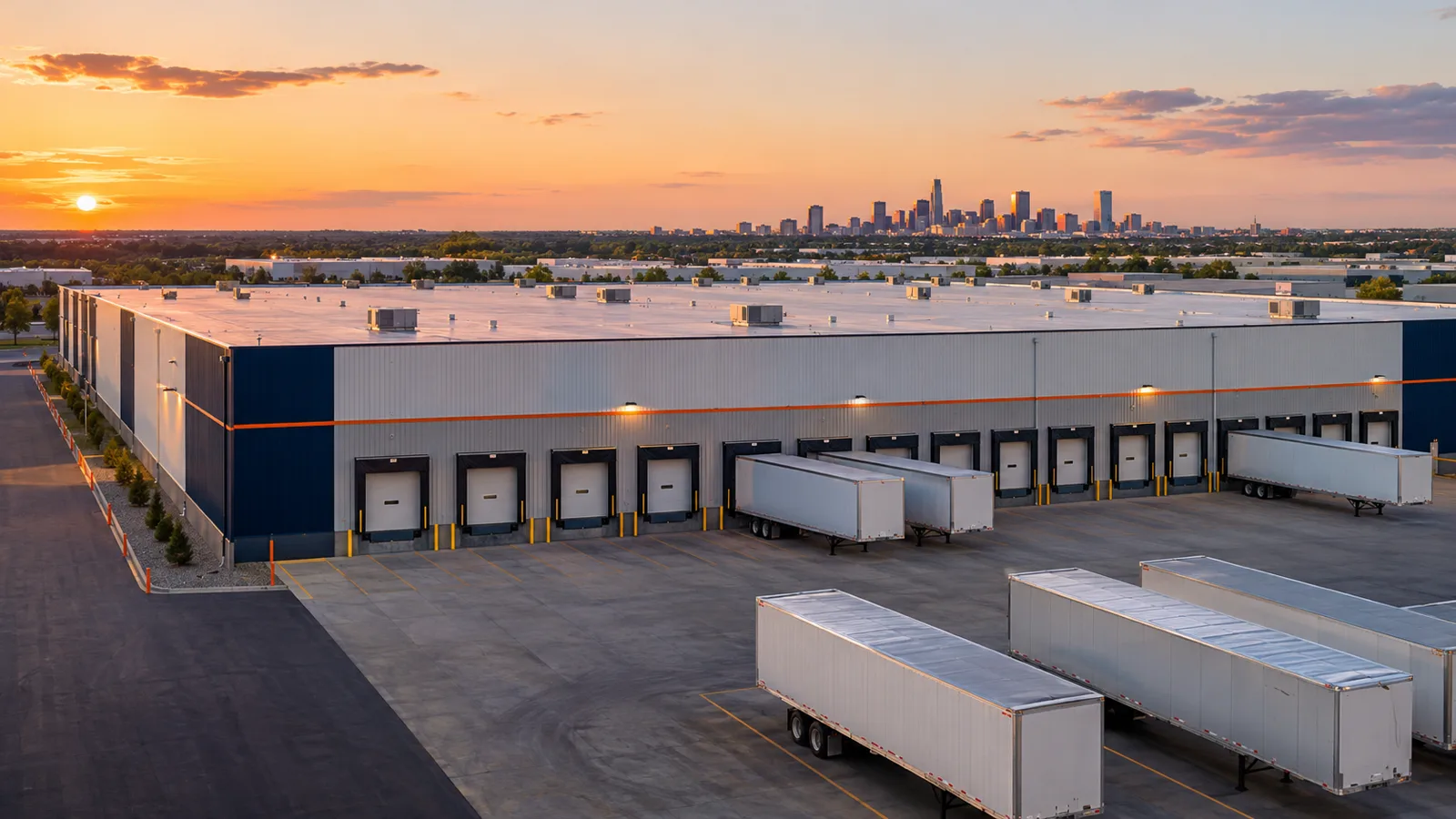
Mississauga. Industrial areas like Gateway, Meadowvale, Malton, the Airport Corporate Centre surroundings and the Dixie and Tomken corridors are built for distribution. Buildings are typically single-storey with high clear heights for racking, multiple truck-level docks, drive-in doors and large yards for trailers. Space for growth is far easier to find, and a 3PL can add capacity for you without a move.
Factor 2: Carrier and Highway Access
Downtown Toronto. Couriers serve the core well for pickups, but every truck has to work through some of the most congested streets in the country. LTL and truckload carriers often find downtown pickups and deliveries slow and may charge accordingly. The Gardiner Expressway and Don Valley Parkway are frequently congested, adding unpredictability to any trip out of the city.
Mississauga. This is Mississauga's biggest advantage. Highways 401, 403, 407, 410 and 427 and the QEW all run through or along the city. Toronto Pearson International Airport sits on the city's eastern edge and is a major hub for air cargo and courier operations. Major courier and LTL terminals are concentrated in and around the city, which tends to mean later pickup cut-offs and earlier injection into carrier networks. Freight heading to the US border crossings at Fort Erie, Niagara or Windsor joins the highway network almost immediately.
Factor 3: Delivery Speed to Your Customers
Speed depends on where your customers are:
- Customers in downtown Toronto. A central location can offer same-day delivery by bike courier or local van more easily, and in-person pickup is convenient. From Mississauga, same-day delivery downtown is still possible but depends on traffic and courier capacity.
- Customers across the GTA. Mississauga sits close to the geographic centre of the GTA when you include Peel, Halton and York, so travel times to Brampton, Oakville, Vaughan and Etobicoke are often shorter than from downtown.
- Customers across Ontario and Canada. Orders from Mississauga enter carrier networks quickly, often at or near the hubs where they're sorted. Downtown pickups usually travel out to those same hubs first.
- Customers in the US. Mississauga's highway access to the border crossings is a clear advantage for both parcels and freight.
If you don't know where your customers are, start there. Export a year of order addresses and map them. The result often settles the debate.
Factor 4: Cost
Commercial rents and occupancy costs vary over time and by building, but industrial space in central Toronto has typically been more expensive per square foot than suburban industrial space, while also being less efficient to operate. On top of rent, consider:
- Labour cost per order, which rises when space is cramped and workflows are awkward.
- Freight charges, which can include extra fees for difficult pickups or deliveries.
- Parking, loading-zone restrictions and potential fines for delivery vehicles.
- The cost of moving again if you outgrow a small downtown space quickly.
With a 3PL, many of these costs turn into per-order and per-pallet fees, which makes comparisons simpler. Our article on the difference between warehousing and fulfillment explains how those fees usually break down.
Factor 5: Labour
Mississauga and the surrounding Peel Region have a large logistics workforce, since the area has been a distribution centre for decades. Warehouse staff and supervisors with experience in picking, packing, forklift operation and inventory control are relatively easy to find. Downtown, warehouse workers compete with many other job options, and commuting to an industrial building in the core can be harder for staff who live in the suburbs.
Factor 6: Brand, Pickup and Showroom Needs
Location affects more than logistics. Some businesses gain real value from being central:
- Brands whose customers like to pick up orders or see products in person.
- Businesses that combine a studio, showroom or retail space with inventory.
- Companies serving downtown restaurants, offices or hotels with frequent, small deliveries.
- Teams that need to be close to production, photography or content creation.
For these businesses, the question isn't whether to leave downtown entirely, but which activities need to stay there.
Factor 7: Receiving Inbound Inventory
Outbound orders get most of the attention, but inbound freight often decides the matter. A brand that imports by ocean container needs somewhere a 40-foot container can be backed up to a dock and unloaded. Most downtown buildings can't accommodate that, so containers end up being transloaded somewhere else and brought in by smaller trucks, adding cost and handling.
Mississauga warehouses are set up for exactly this kind of receiving. Containers arriving by rail at the GTA's intermodal terminals are drayed a short distance along the 407 or 401, unloaded at a dock, counted and put away, often the same day. Domestic suppliers delivering by LTL or truckload have the same advantage. If you receive pallets more than occasionally, factor the cost and hassle of inbound freight into your comparison, not just outbound shipping.
Factor 8: Room for Services Beyond Pick and Pack
As brands grow, they often need more than storage and shipping: kitting and assembly for bundles, labelling for retail partners, returns processing, or temperature-controlled storage for some products. Those services need space and equipment that a small downtown unit rarely has. A larger Mississauga operation can usually add them without a move.
Which Businesses Fit Where
Mississauga is usually the better fit if you:
- Ship most orders by courier to customers outside the downtown core.
- Receive inventory by container or pallet.
- Sell on marketplaces, including Amazon, and need FBA prep or wholesale shipments.
- Ship to the US regularly.
- Expect fast growth or large seasonal peaks.
Downtown Toronto may still make sense if you:
- Deliver a large share of orders same-day within the city.
- Rely on local pickup or a showroom.
- Ship small volumes of small, light products.
- Combine inventory with production or retail space you need anyway.
A hybrid model works well if you:
- Have a strong local customer base and a growing national one.
- Want to keep a showroom but stop packing orders there.
- Need a pickup point downtown but most inventory elsewhere.
In a hybrid model, the main inventory and all shipped orders run out of a Mississauga warehouse, while a small selection of fast-moving items is replenished regularly to the downtown location for pickup and same-day orders. An inventory management system that tracks stock across both locations keeps it manageable.
Making the Move
If you decide to move fulfillment to Mississauga, plan the transition carefully:
- Choose a quiet period, well away from your peak season.
- Do a full inventory count before the move so you start clean.
- Connect your store and marketplaces to the new warehouse's systems and test with real orders.
- Move inventory in stages if possible, so you never stop shipping.
- Tell customers about any change to pickup options.
- Track order accuracy and delivery times closely in the first month.
Working with an e-commerce fulfillment provider removes much of the work, since the warehouse, staff and carrier relationships are already in place. If you're still weighing whether outsourcing is right for you, our post on why more brands are switching to fulfillment centres covers the broader case.
Find the Right Home for Your Inventory
Downtown Toronto offers proximity and visibility; Mississauga offers space, carrier access and room to grow. The right choice depends on where your customers are and how they buy from you. Look at your order data, consider a hybrid if both matter, and plan any move well ahead of your busy season.
If you're thinking about moving fulfillment out of the city, schedule a consultation with ShipCarte to see how fulfillment and distribution warehousing in Mississauga could work for your business.